Phenytoin (Dilantin): Seizure Control and Safe Administration | training video made with ngram

About the video
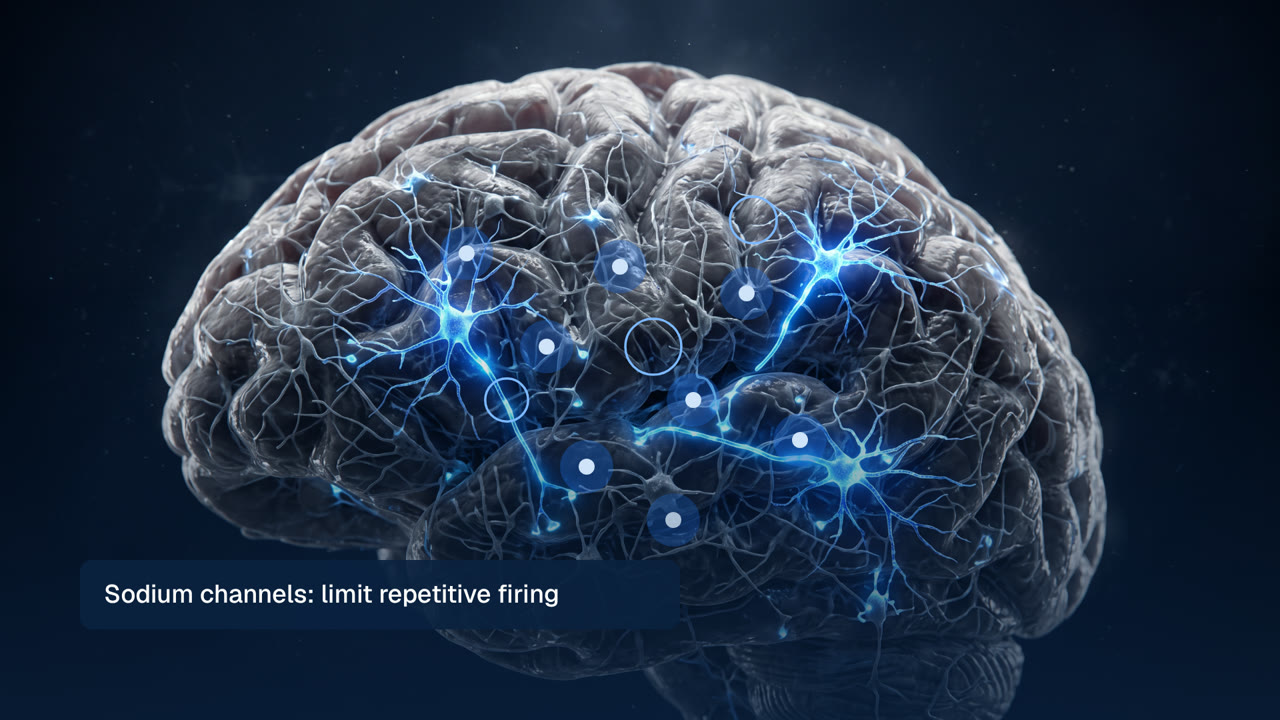
This training video was made with ngram to explain how phenytoin (dilantin) works as an anticonvulsant and what nursing staff should monitor during administration. using html/css motion graphics and a personified, friendly narrator voicing the medication itself, the video follows phenytoin's journey from absorption into the bloodstream to its action stabilizing electrical activity in the brain to control certain types of seizures, noting it does not treat every seizure type. it covers monitoring of phenytoin blood levels and explains that albumin levels, kidney function, drug interactions, and a resident's clinical condition can affect how results are interpreted. the video walks through signs of excess phenytoin, including nystagmus, dizziness, unsteady walking, slurred speech, and confusion, and stresses prompt reporting of a new rash or signs of severe allergic reaction. it closes with a safety checklist covering the right resident, medication, and dose, consistent dosing, and timely reporting, followed by an end card summarizing the key actions: check the order, monitor the resident, prevent falls, and report changes. the character-driven, lighthearted tone makes the clinical monitoring responsibilities memorable for caregivers administering the medication.
- Phenytoin
- Dilantin
- Seizure Control
- Nursing
- Medication Safety
- Side Effects