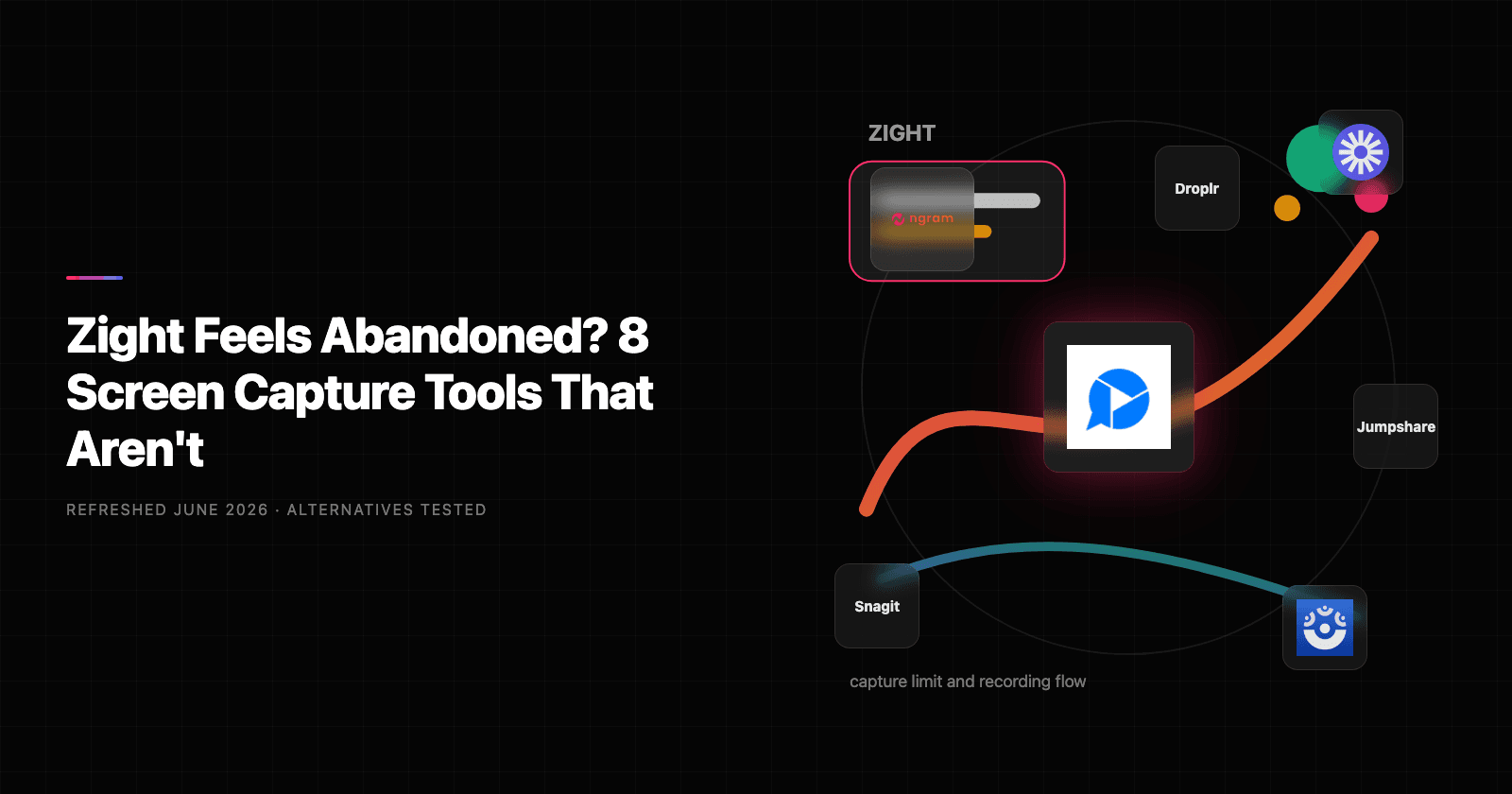


If you are searching for Zight alternatives, you probably do not need a generic list of every tool with a vaguely similar feature. You need a shortlist that maps to the real reason Zight stopped fitting: cost, output quality, production speed, workflow depth, or a new job that Zight was never built to handle.
Zight still deserves credit. It solves a real problem for the teams it was designed for, and in many cases it remains a reasonable choice. The catch is that video work in 2026 rarely stays inside one narrow product category. A recording becomes a tutorial. A product demo becomes a sales follow-up. A help article becomes a customer video. A launch note becomes a LinkedIn clip.
We refreshed this guide in full update mode on June 1, 2026. We checked current SERPs, public pricing pages, review-platform language, Reddit and community discussions where available, and the shipped ngram product state. We did not use numerical star ratings, and we kept ngram pricing conservative by linking to the live pricing page.
What is pushing users off Zight
Plan limits are changing. Zight announced that Share, Create, Grow, and Scale plans will replace old packaging on June 25, 2026. The company says most daily usage remains familiar, but buyers still need to remap limits, AI access, and team features.
Capture is not the whole job. A screenshot or 5-minute screen recording rarely becomes a customer-ready walkthrough by itself. Teams still need narration, callouts, trimming, captions, and brand-safe share pages.
Power users need different tools. Support teams, product managers, QA, and creators use capture tools differently. That is why one Zight replacement rarely wins every use case.
Quick comparison
| Tool | Best For | Starting Price | Key Differentiator |
|---|---|---|---|
| ngram | Polished videos from screen recordings | See /pricing | Turns captures into finished videos |
| Loom | Async video messages | Free and paid plans | Fast record-and-share loop |
| Snagit | Annotated screenshots and desktop capture | Paid subscription | Precise image markup |
| ScreenPal | Budget screen recording and editing | Free, paid from $4/mo annually | Recorder plus editor |
| Droplr | Simple capture and file sharing | Paid plans | Short links and cloud capture |
| Jumpshare | Visual file sharing | Free and paid plans | Share files, screenshots, videos |
| ShareX | Free Windows power users | Free open source | Deep capture automation |
| VEED.io | Browser video editing | Free and paid plans | Captions and social edits |
1. ngram
Watch how ngram turns an idea into a finished video:
ngram is the strongest Zight alternatives pick when the job is not only recording, hosting, or assembling a template. It starts with the message: audience, source material, channel, tone, and the result you need. From there, ngram drafts the script and storyboard before rendering, so teams can fix direction before spending time on edits.
What makes ngram stand out
For Zight users, the practical difference is input flexibility. ngram works from text prompts, PDFs, URLs, screenshots, screen recordings, raw video, and decks. That matters because business video rarely starts from one clean asset. Product marketers have release notes and screenshots. Customer success teams have support docs and rough screen recordings. Sales teams have a live demo and a follow-up email that needs a sharper video.
ngram also covers the production layer that point tools leave behind: script generation, storyboard generation, captions, AI voiceover, basic avatars, talking-head lip sync, branded intros and outros, smart zooms, product callouts, screen-recording polish, and multi-format export. Brand kits apply logos, colors, fonts, and tone controls so videos do not drift every time a different teammate creates one.
Editing happens through chat or direct controls. You can ask for a shorter version, a different audience angle, a translated variant, or a regenerated scene without starting from scratch. For teams comparing Zight alternatives, that is the line: ngram is not another capture or hosting utility. It is a way to turn the raw business material you already have into a finished video.
Key features:
- Script and storyboard generation from prompts, files, URLs, screenshots, decks, and recordings
- Screen-recording polish with cursor smoothing, click emphasis, dead-air trimming, smart zooms, and callouts
- Captions, AI voiceover, branded intros and outros, background music, and scene transitions
- Brand kits with logos, colors, fonts, approved phrases, and motion direction
- Chat-based edits, visual chat, script editor, scene regeneration, and timeline controls
- Multi-format export for 16:9, 9:16, and 1:1 videos, plus GIF, WebM, PNG, JPG, and PPTX outputs
Pros
- Strong fit when one business message needs several video variants for marketing, sales, support, or training
- Uses real source material instead of forcing every project into a blank template
- Lets teams review the plan before rendering, which reduces wasted edit cycles
Cons
- Not the right choice if you only need a simple screenshot utility or file-sharing link
- Pricing should be checked on the live ngram pricing page rather than assumed from older posts
Who is ngram best for?
ngram is best for product marketing, growth, sales, customer success, enablement, and agency teams that need finished video assets from messy source material. It is especially strong when the output has to look intentional enough for customers, prospects, or public channels.
Ready to try ngram? Create your first business video from a prompt, URL, deck, or screen recording. Start with ngram
2. Loom
Loom is the default Zight alternative for quick async video. It records screen and camera fast, creates a share link, and fits internal updates, bug reports, customer replies, and short explainers.
Key features
- Screen and webcam recording
- Shareable video links
- Team libraries and comments
- Fast async communication
What users say
Users like the low-friction recorder and team library. The common critique is that heavier AI prompts, pricing changes, and polish requirements can push teams toward either a production tool or a cheaper recorder.
Best for
Pick Loom when its core workflow matches the job you repeat every week. Skip it when the project needs a broader video workflow with planning, branded scenes, source ingestion, and multiple output formats.
3. Snagit
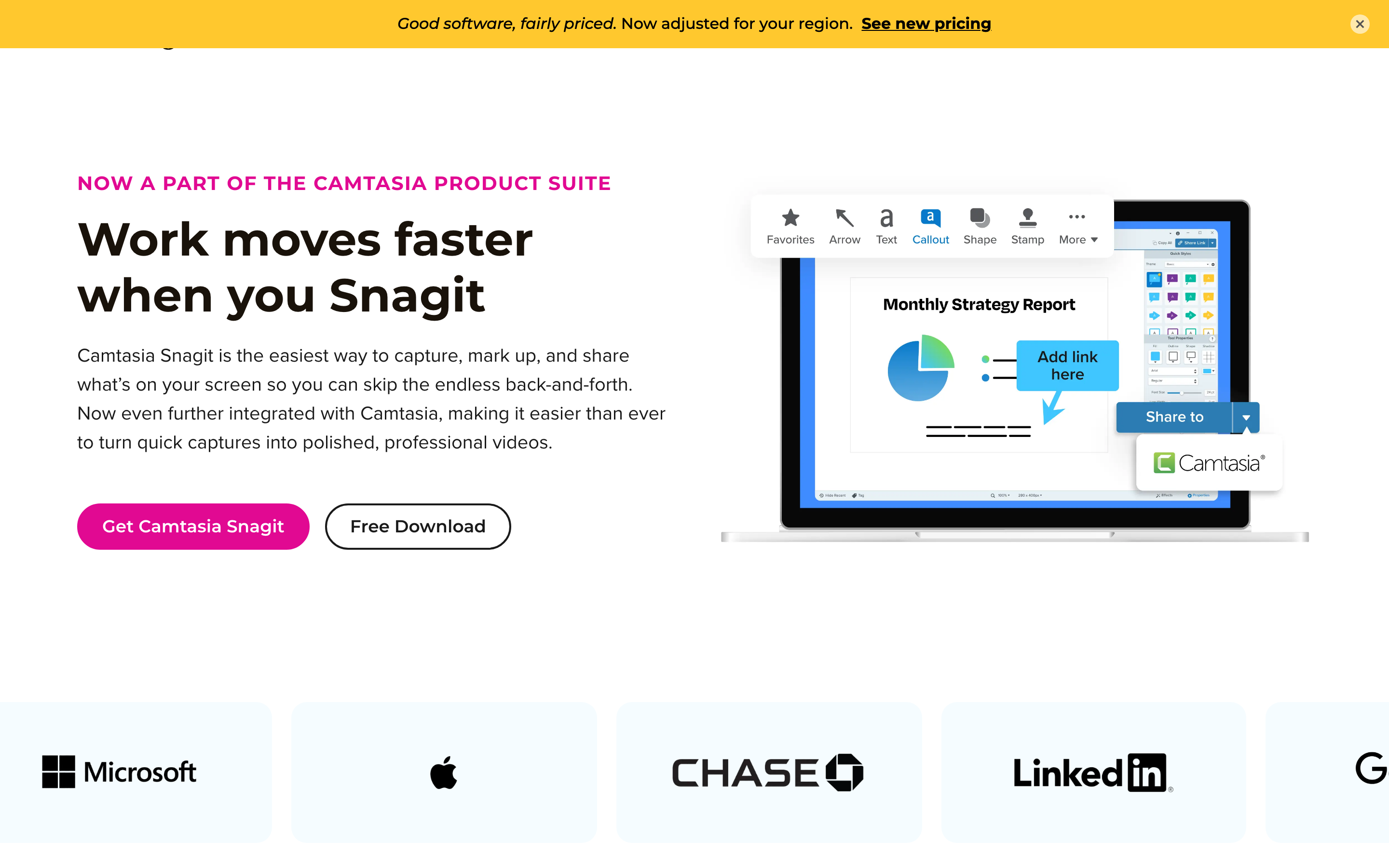
Snagit is the screenshot specialist in this list. It is built for precise capture, markup, step visuals, and desktop workflows that browser-first tools sometimes miss.
Key features
- Desktop screenshot capture
- Annotations and markup
- Scrolling capture
- Lightweight screen recording
What users say
Users praise Snagit when they need clear annotated images and repeatable documentation. It is weaker when the outcome must be a polished multi-scene video with voiceover and channel variants.
Best for
Pick Snagit when its core workflow matches the job you repeat every week. Skip it when the project needs a broader video workflow with planning, branded scenes, source ingestion, and multiple output formats.
4. ScreenPal
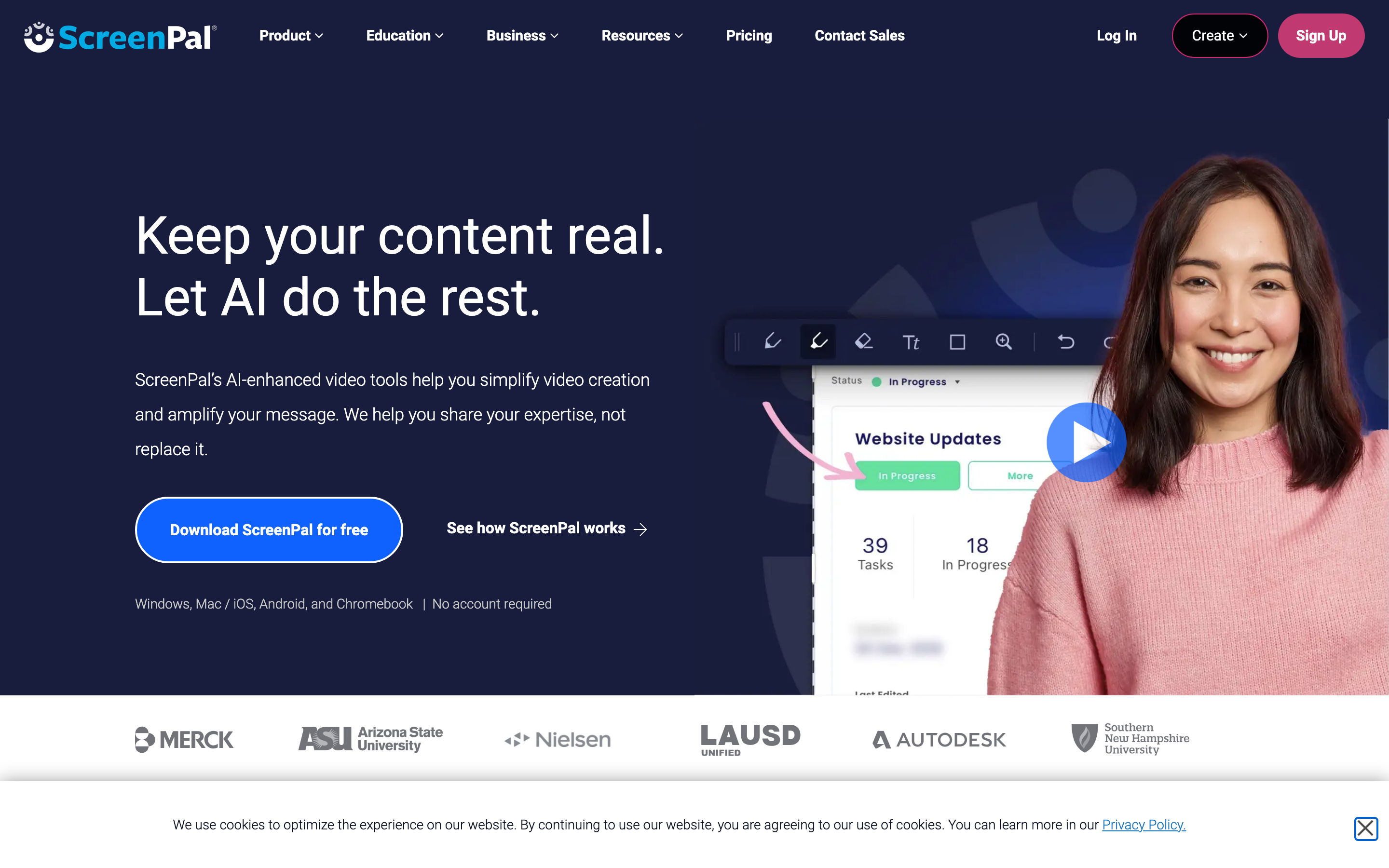
ScreenPal is the budget-friendly Zight alternative with a recorder, video editor, hosting, and AI features on higher plans. Its public plans include a free tier, Deluxe at $4 per month annually, and Max at $10 per month annually.
Key features
- Screen recorder and editor
- Hosted video sharing
- AI captions on higher plans
- Quizzes and education features
What users say
Review language usually centers on value: it gives educators, trainers, and small teams more editing depth than simple capture tools at a low entry point.
Best for
Pick ScreenPal when its core workflow matches the job you repeat every week. Skip it when the project needs a broader video workflow with planning, branded scenes, source ingestion, and multiple output formats.
5. Droplr
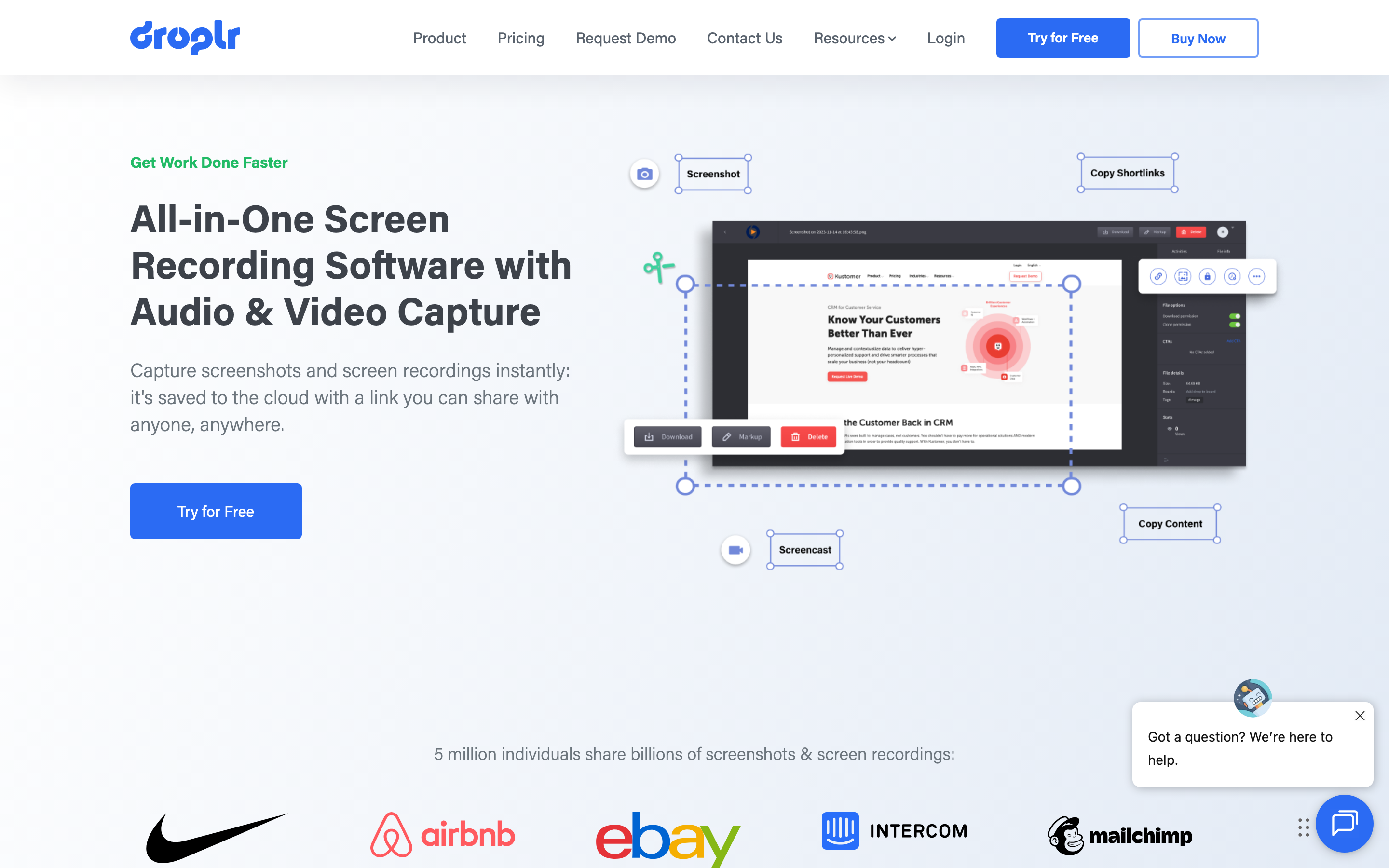
Droplr is for teams that want a fast capture-to-link workflow. Screenshots, GIFs, recordings, annotations, and short links sit at the center of the product.
Key features
- Screenshot and screen recording
- Short links for sharing
- Cloud file sharing
- Annotations for quick feedback
What users say
Users tend to value Droplr for quick visual communication. It is not the choice for teams that need storyboard generation, voiceover, brand kits, or multi-format video output.
Best for
Pick Droplr when its core workflow matches the job you repeat every week. Skip it when the project needs a broader video workflow with planning, branded scenes, source ingestion, and multiple output formats.
6. Jumpshare
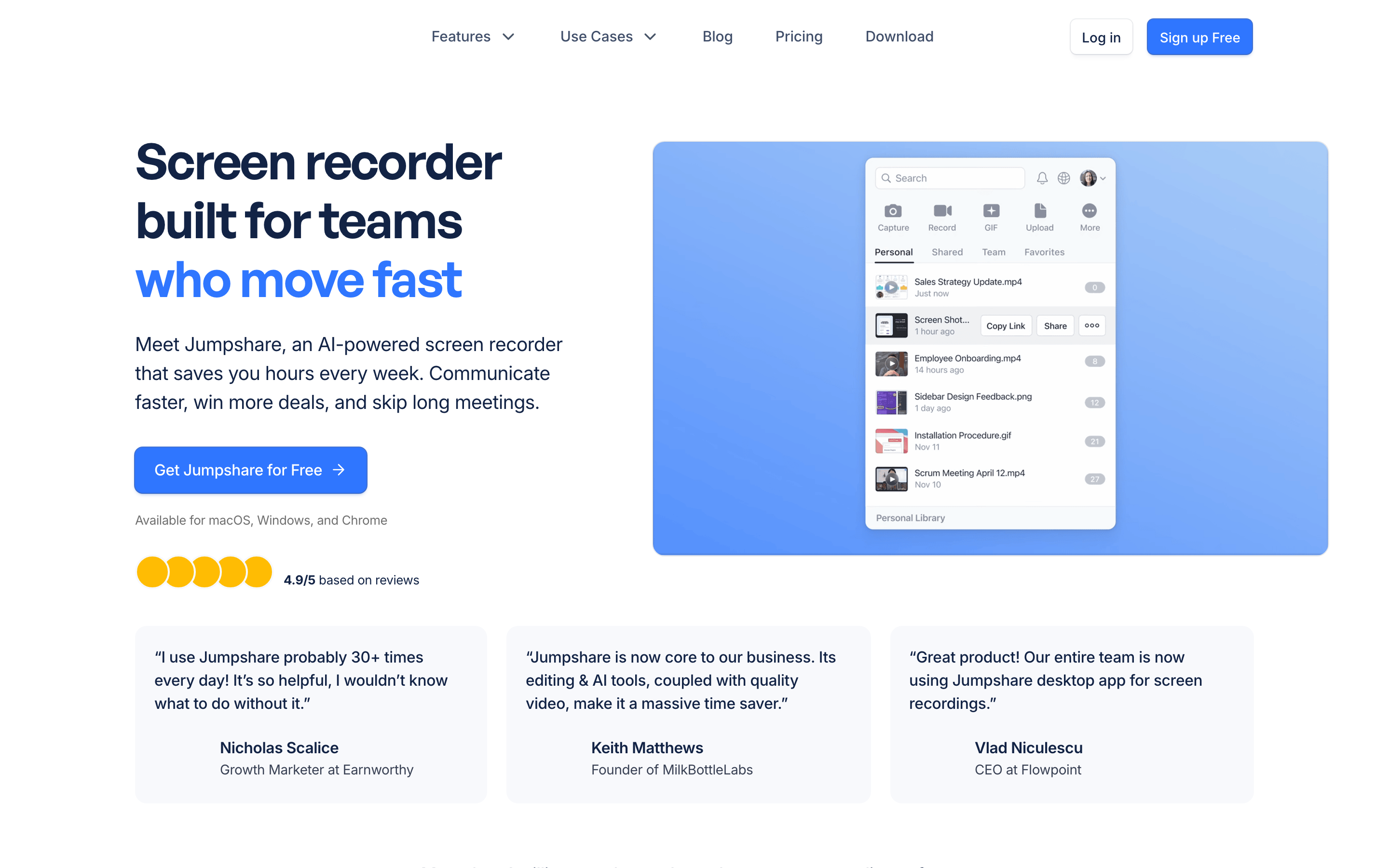
Jumpshare combines screen recording, screenshots, file sharing, and viewer analytics. It is useful when your team sends many visual assets and wants them in one sharing layer.
Key features
- File sharing and previews
- Screen recording
- Screenshot capture
- Viewer analytics
What users say
Users like the breadth, especially for client-facing files and quick feedback. The limitation is depth: specialized editors and AI video platforms go further once the asset needs a polished narrative.
Best for
Pick Jumpshare when its core workflow matches the job you repeat every week. Skip it when the project needs a broader video workflow with planning, branded scenes, source ingestion, and multiple output formats.
7. ShareX
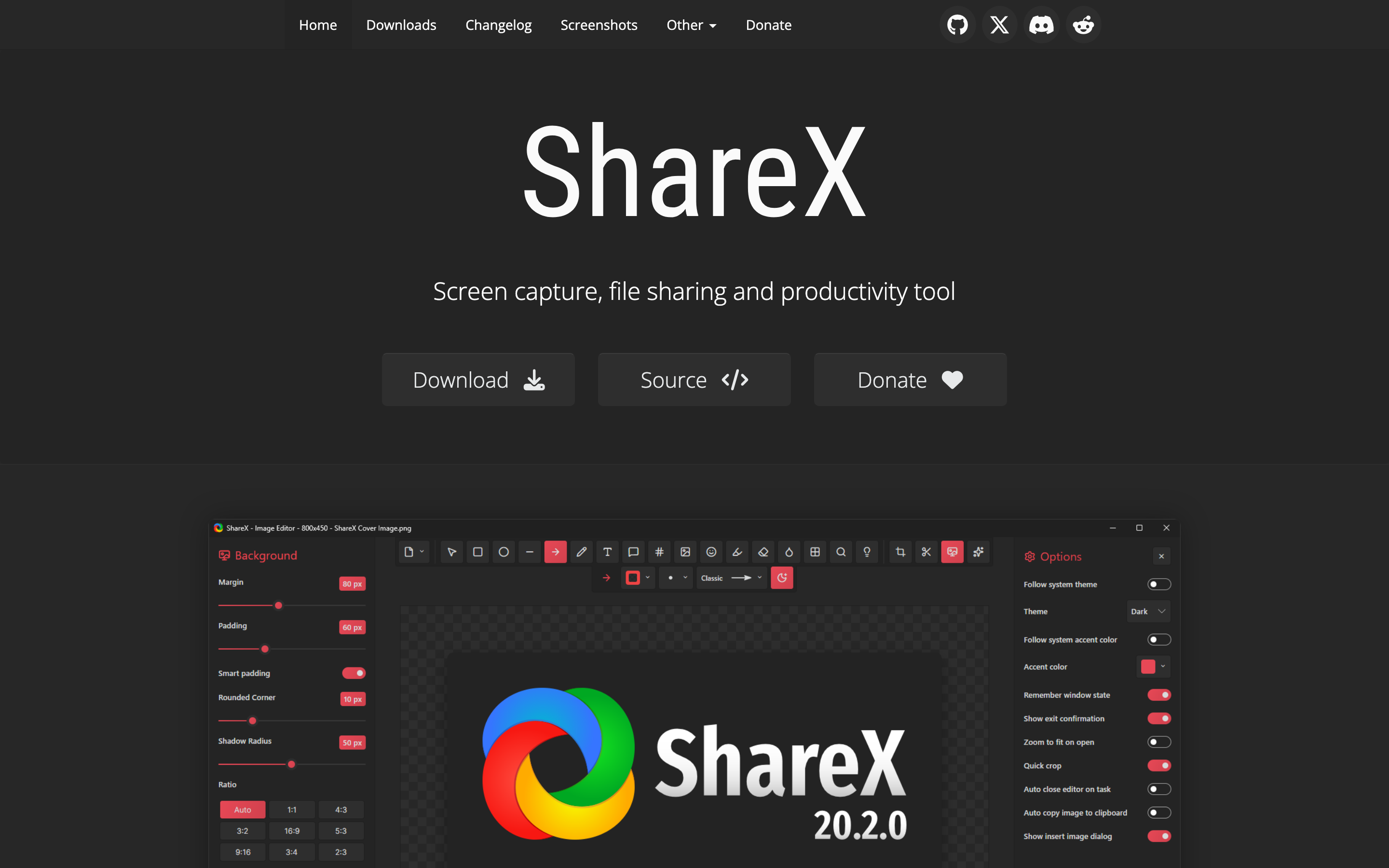
ShareX is the power-user choice. It is free, open source, Windows-first, and packed with capture workflows, upload destinations, hotkeys, and automation.
Key features
- Open-source Windows capture
- Workflow automation
- Many upload destinations
- Hotkeys and advanced controls
What users say
The praise is consistent: advanced users love control. The drawback is also obvious: ShareX is not a business video workflow, and nontechnical teammates may not want to configure it.
Best for
Pick ShareX when its core workflow matches the job you repeat every week. Skip it when the project needs a broader video workflow with planning, branded scenes, source ingestion, and multiple output formats.
8. VEED.io
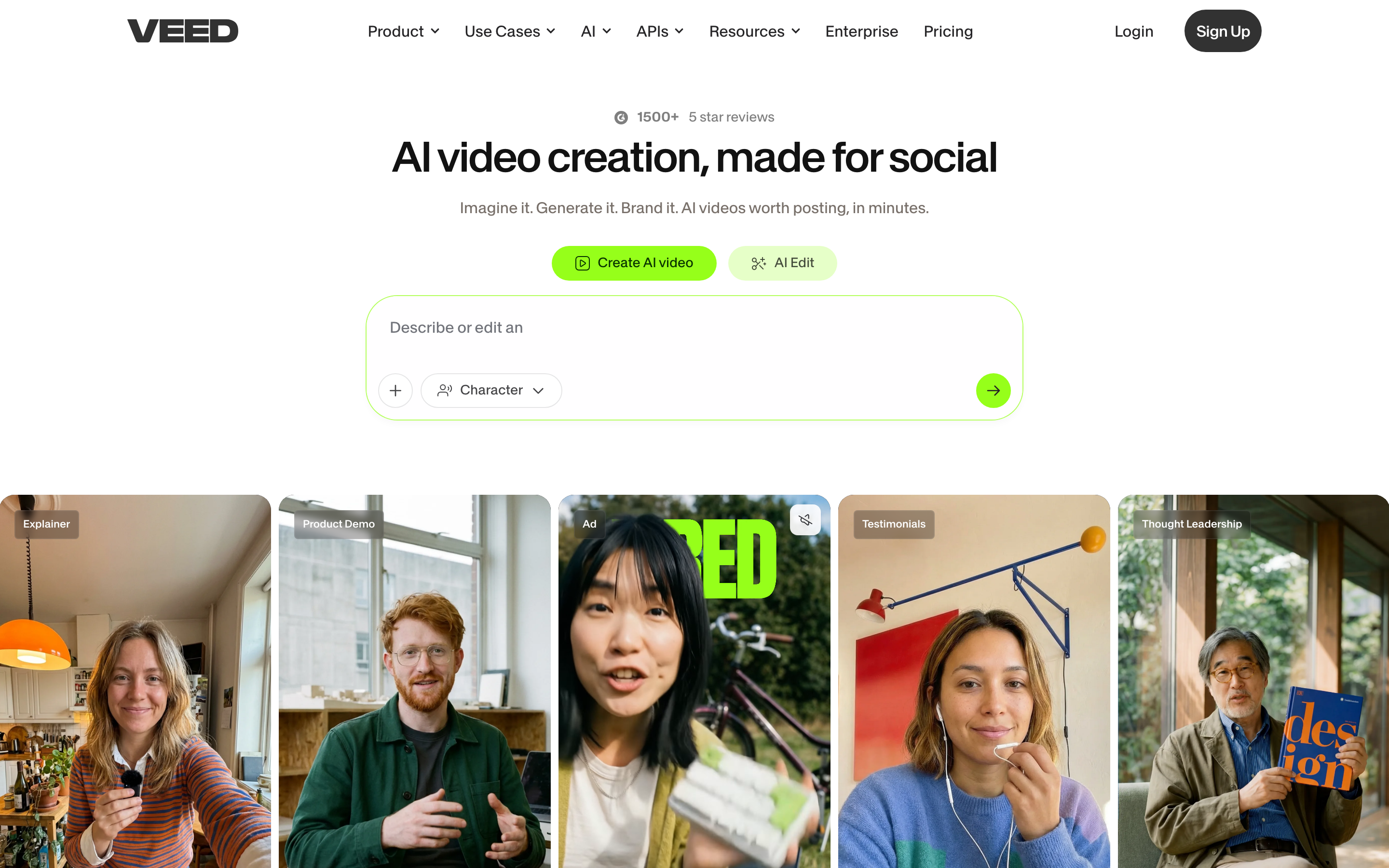
VEED.io is a better Zight alternative when your capture needs to become a social clip, tutorial, or captioned customer video. It runs in the browser and includes editing, subtitles, templates, and AI tools.
Key features
- Browser-based editor
- Auto subtitles and styling
- Screen recording and templates
- AI editing utilities
What users say
Users value the all-in-one editor, but support and plan-limit complaints appear in public discussions. Treat VEED as an editor first, not a capture library replacement.
Best for
Pick VEED.io when its core workflow matches the job you repeat every week. Skip it when the project needs a broader video workflow with planning, branded scenes, source ingestion, and multiple output formats.
How to choose between these Zight alternatives
Start with the asset you need at the end of the workflow, not the feature list on the pricing page. Zight buyers often compare screenshots, recordings, file sharing, documentation, and polished walkthroughs, but those are different jobs with different owners. The fastest way to pick is to name the person who will maintain the output after the first version ships.
Choose ngram when the output is a finished video that needs a narrative, brand system, captions, callouts, voiceover, and variants. ngram is strongest when your source material is scattered across a doc, URL, deck, screenshot folder, and rough screen recording. That is the normal state of business video work, and it is where a single-purpose Zight replacement starts to feel too narrow.
Choose Loom when its native workflow is the job. If the team already knows exactly what it wants to create and only needs that specific category done faster, a specialist can be the cleaner call. This is especially true when the asset owner is one function, such as sales, support, L&D, or product marketing, and the output does not need to travel across many channels.
Choose Snagit when governance, analytics, or team controls matter more than creative range. Some alternatives are less flexible than ngram but stronger at a narrow operational requirement. That tradeoff is valid when procurement, security, or a sales process needs the category-specific controls.
Choose ScreenPal or Droplr when budget and adoption speed matter more than output polish. Lightweight tools are easier to roll out because people understand them quickly. The hidden cost appears later if each rough capture needs another person to rewrite, polish, caption, brand, and re-export it.
Choose ShareX or VEED.io when your team already has an editor or producer in the loop. These tools can be excellent once someone owns the final polish. They are weaker when a non-video team expects the software to do the planning, writing, pacing, and finishing work by itself.
The practical test is simple: create one real asset from last week's work. Use an actual support issue, launch note, demo recording, or training update. If the tool produces something you would send to a customer without three more handoffs, it belongs on the shortlist. If the output still needs another recorder, another editor, another brand pass, and another hosting step, keep looking.
Migration checklist before you switch
Before moving off Zight, audit the content and workflows already attached to it. Export or archive videos, screenshots, demos, captions, transcripts, analytics, embed codes, custom domains, brand assets, team permissions, and any content linked from help centers or sales sequences. Switching tools without that inventory can create broken embeds or duplicated work.
Next, run a two-week pilot with one owner and one real use case. For Zight alternatives, the pilot should include one short internal asset and one customer-facing asset. Internal tests reveal adoption friction. Customer-facing tests reveal quality gaps: audio, captions, brand treatment, CTA clarity, mobile framing, and whether the video still makes sense without a presenter explaining it live.
Finally, compare total workflow cost, not only subscription price. Count setup time, review cycles, extra editing tools, export limits, AI credits, storage, localization, and the number of people needed to ship one good asset. The cheapest plan can become expensive when every video still needs a manual rewrite and a design pass.
---
Need a customer-ready video, not another rough recording? ngram turns screen recordings, docs, URLs, screenshots, and rough notes into polished business videos. Try ngram
---
How we compared these tools
We evaluated each Zight alternatives candidate against five criteria: workflow fit, source-material flexibility, production polish, pricing clarity, and qualitative user sentiment. We gave extra weight to tools that solve the reason people leave Zight, not tools that merely share a feature.
| Criteria | Weight | What we looked at |
|---|---|---|
| Workflow fit | 30% | Whether the product solves the repeated job behind the Zight alternatives query |
| Source flexibility | 20% | Prompts, URLs, docs, screenshots, recordings, uploaded videos, and decks |
| Production polish | 20% | Captions, callouts, brand controls, voiceover, editing depth, and export quality |
| Pricing clarity | 15% | Public pricing, plan limits, credit systems, and sales-gated plans |
| User sentiment | 15% | Review themes, Reddit language, and community complaints, with no numerical ratings |
Sources checked included Zight plans page, Zight May 26, 2026 pricing update, ScreenPal plans, Loom pricing page, Snagit pricing discussions, Reddit Zight/Loom pricing discussions, G2 and ngram Zight SERP. Google Ads Keyword Planner was unavailable because this workspace is missing Google Ads credentials, so keyword research used live SERP and vendor research instead.
Common questions
What is the best Zight alternative in 2026?
ngram is the best Zight alternative if the real goal is a polished business video from existing material. If you only need Zight's narrow category workflow, one of the specialist tools in the comparison table may fit better.
Is there a free Zight alternative?
Several tools in this list publish free plans or free trials. Free plans are useful for testing workflow fit, but they often limit exports, credits, recording length, branding, storage, or team features. Check each vendor's current pricing page before rollout.
How does ngram compare with Zight?
Zight is best understood as a focused product for its original category. ngram is broader: it plans, scripts, storyboards, generates, edits, captions, brands, and exports business videos from many source types. Compare the deeper page here: ngram vs Zight.
Which Zight alternative is best for teams?
For marketing, sales, customer success, and enablement teams, choose the tool that matches ownership. If one team creates finished videos for many channels, ngram is the stronger fit. If each person captures quick updates independently, a recorder or demo-specific platform may be easier to adopt.
Should I switch from Zight now?
Switch when your bottleneck is visible and repeated. If the issue is one missing feature, test a specialist. If the issue is that your team keeps stitching together recorders, editors, docs, brand assets, and hosting tools, test ngram before adding another point solution.
Our verdict
The right Zight alternative depends on the video job you are repeating. Specialist tools in this list still make sense for hosting, screen capture, animation, avatar video, documentation, or demo automation. But if your team needs one workflow that turns real business inputs into polished videos, ngram is the strongest place to start.
ngram is not for someone who only needs a free screenshot tool or one quick file link. It is for teams that care about the message, the storyboard, the brand, and the finished video.
---
Try ngram for your next video. Bring a prompt, URL, deck, doc, screenshot, or screen recording and turn it into a polished business video. Start with ngram